A new chapter, not a diagnosis
Many cats are considered senior around age 11, though every cat is different. A birthday alone does not tell you how your cat feels. What matters most is noticing changes in their everyday habits.
Notice their usual rhythm
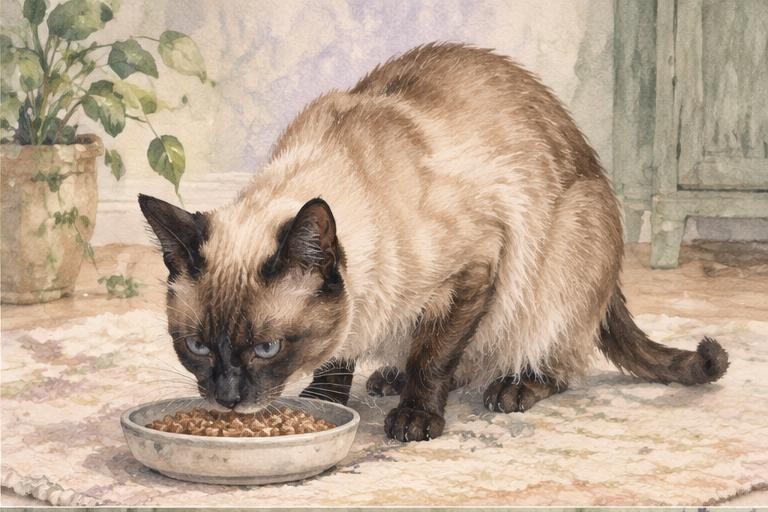
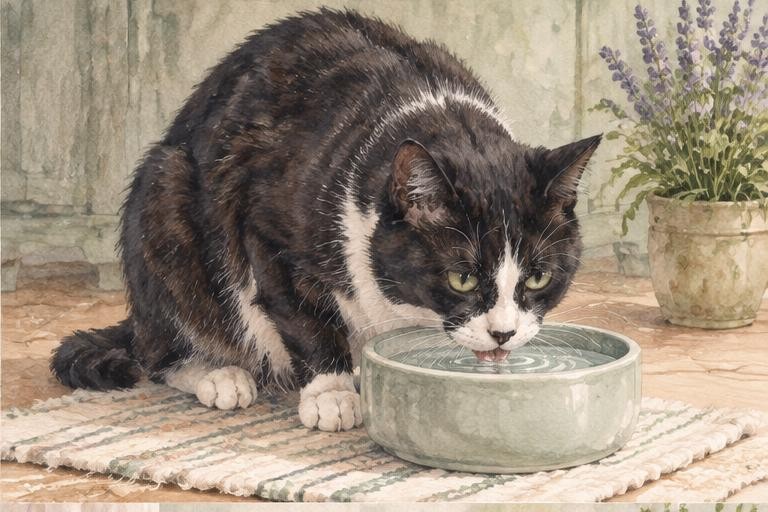
Record changes in appetite, thirst, sleep and social time. New changes deserve a vet conversation rather than being put down to age. Ask your vet how often to arrange examinations, and whether bloodwork, urine testing or blood-pressure checks would help.
The little things worth noticing
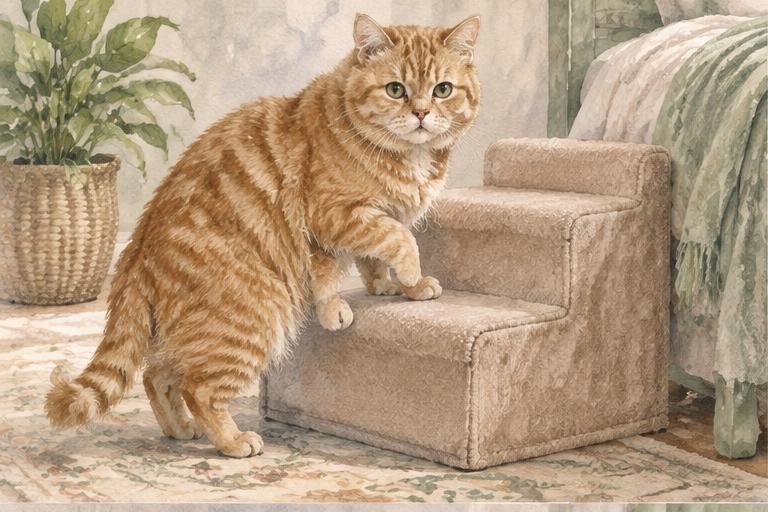
Watch for changes in jumping, grooming, appetite, thirst and litter-box habits. A cat who stops jumping onto a favorite chair may be uncomfortable, not simply getting older. Unkempt fur, hiding or irritability can also be signs of pain.
Build a familiar routine
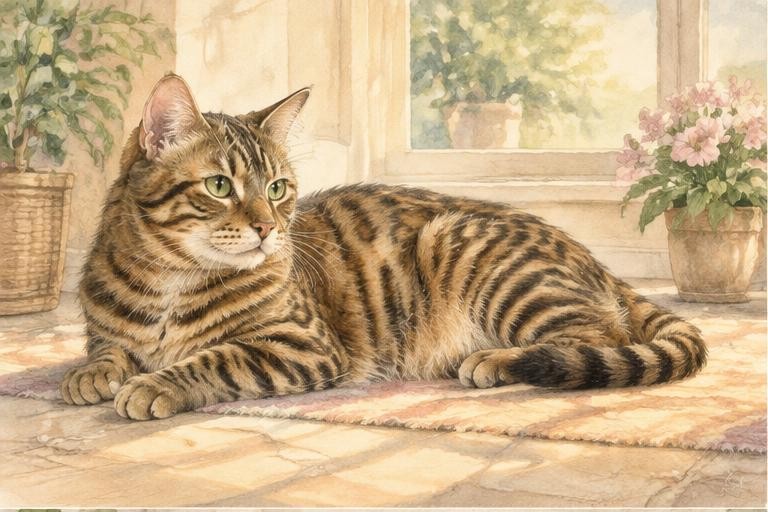
Keep meals, gentle play and quiet time predictable. Record your cat’s weight regularly and note changes in a small journal. Ask your vet how often your senior cat should be examined; many benefit from visits every six months.
Free: The Senior Pet Health Checklist
Know what to watch for and what to ask your vet. Printable and free.